


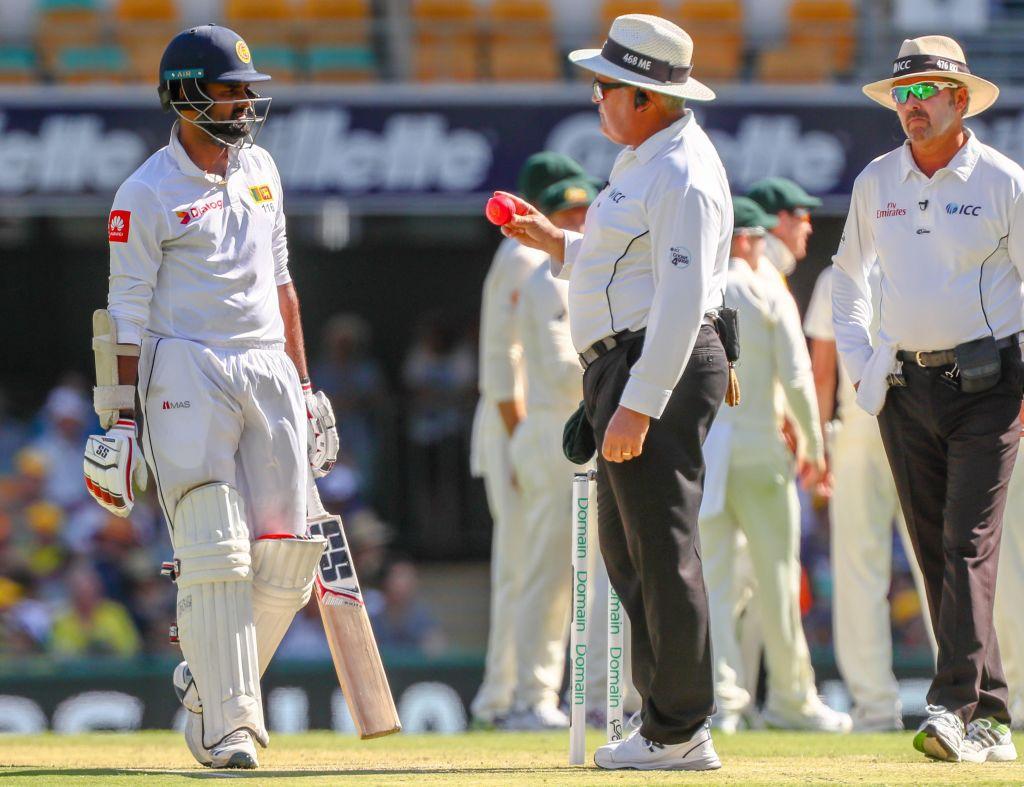
Leg Before Wicket (LBW) is one of the most discussed and misunderstood methods of dismissal in cricket. Whether you are watching a thrilling Test match, a high-pressure ODI, or a fast-paced T20 game, chances are you’ve seen players challenge an LBW decision or fans passionately debate whether the batter was truly out.
With modern technology such as the Decision Review System (DRS) and Hawk-Eye ball tracking, LBW decisions have become more accurate—but they have also sparked new debates. Terms like “Umpire’s Call,” “Impact in Line,” and “Ball Tracking” are now part of everyday cricket conversations, making it important for every cricket fan to understand how the rule actually works.
In this comprehensive guide, you’ll learn:
- What LBW means in cricket.
- The official ICC laws governing LBW.
- How umpires decide LBW appeals.
- How DRS and Hawk-Eye have changed the game.
- Famous LBW controversies involving legendary cricketers.
- Common misconceptions about the rule.
- Recent developments in LBW decision-making.
- Frequently asked questions.
Whether you’re new to cricket or a long-time fan looking to understand the finer details of the game, this guide explains the LBW rule in simple language with real-world examples.
What Does LBW Mean in Cricket?
LBW stands for Leg Before Wicket.
It is one of the ten ways a batter can be dismissed under the Laws of Cricket. An LBW dismissal occurs when the ball strikes any part of the batter’s body (usually the pads) instead of the bat, and the umpire believes the ball would have gone on to hit the stumps if the batter’s body had not intercepted it.
The primary purpose of the rule is to prevent batters from unfairly using their pads to block deliveries that would otherwise dismiss them.

Without the LBW law, batters could simply place their legs in front of the stumps and make it nearly impossible for bowlers to take wickets through bowled dismissals.
As cricket has evolved, especially with the rise of spin bowling and reverse swing, the LBW law has become one of the game’s most strategically important rules.
Why Was the LBW Rule Introduced?
In the early days of cricket during the 18th century, batters discovered that they could deliberately use their legs to stop the ball from hitting the wicket.
Since there was no restriction on this tactic, bowlers had very little chance of dismissing defensive batters.
To restore fairness between bat and ball, the Marylebone Cricket Club (MCC) introduced the Leg Before Wicket law in 1774.
Over the next 250 years, the law underwent several revisions to accommodate changes in playing styles, equipment, and bowling techniques.
Some of the most significant changes included:
- Allowing batters to be out even if they offered a shot under specific conditions.
- Refining the interpretation of where the ball pitches and impacts the batter.
- Introducing technology through DRS and Hawk-Eye to assist with close decisions.
Today, LBW remains one of the most technical laws in cricket and plays a vital role in maintaining the balance between bat and ball.
Official ICC Laws for an LBW Decision
For an umpire to give a batter out LBW, several conditions must be satisfied. If any one of these conditions is not met, the batter cannot be dismissed LBW.
1. The Ball Must Be Legal
The delivery must not be a no-ball.
If the bowler oversteps the crease and bowls a no-ball, the batter cannot be dismissed LBW, regardless of where the ball pitches or how accurately it would have hit the stumps.
This is why umpires always check for a front-foot no-ball before confirming an LBW dismissal through DRS.
2. The Ball Must Not Pitch Outside Leg Stump
This is one of the most important parts of the LBW law.
If the ball pitches outside the line of the leg stump, the batter cannot be given out LBW under any circumstances.
Even if the ball later hits the pads in line and would have gone on to hit all three stumps, the batter is still not out.
This rule protects batters from bowlers who angle deliveries too far down the leg side.
Many viewers mistakenly believe that ball tracking alone determines the decision, but the point where the ball first pitches is equally important.
3. The Ball Must Hit the Batter in Line (or Meet the Exceptions)
Generally, the ball must strike the batter in line with the stumps.
If the batter is playing a genuine shot and the ball hits them outside the line of the off stump, they are not out LBW.
However, if the batter chooses not to offer a shot and the ball would have hit the stumps, they can still be given out even if the impact occurred outside the off stump.
This distinction encourages positive stroke play and discourages batters from simply padding away deliveries.
4. The Ball Must Be Going On to Hit the Stumps
This is often the most dramatic stage of an LBW review.
After considering the pitching point and impact, the umpire must decide whether the ball would have gone on to hit the wicket.
Modern cricket uses Hawk-Eye technology to predict the ball’s path after impact.
If the prediction shows the ball missing the stumps, the batter survives.
If the projection shows the ball hitting the stumps—and the other conditions are satisfied—the batter is out.
5. No Inside Edge
Before awarding an LBW dismissal, the umpire must ensure the ball did not touch the bat or glove before striking the pads.
Modern DRS uses UltraEdge (or Snickometer) alongside ball tracking to detect even the faintest contact between bat and ball.
A tiny edge is enough to overturn an LBW decision.
This is why many reviews begin with UltraEdge before proceeding to Hawk-Eye.
How Does an Umpire Decide an LBW Appeal?
When a bowler appeals loudly for LBW, the umpire mentally processes several questions within seconds:
- Was the delivery a legal ball?
- Where did the ball pitch?
- Did it hit the bat first?
- Where did it strike the batter?
- Was the batter playing a shot?
- Would the ball have hit the stumps?
Only when all these questions are answered correctly can the umpire confidently raise their finger.
At the elite level, this decision often takes less than two seconds, despite involving multiple technical factors.
Key Takeaways
- LBW stands for Leg Before Wicket, one of cricket’s ten methods of dismissal.
- A batter is out LBW only if several conditions are met, including a legal delivery, correct pitching point, valid impact, and the ball being projected to hit the stumps.
- If the ball pitches outside leg stump, the batter cannot be out LBW.
- DRS has improved the accuracy of LBW decisions, but debates over Umpire’s Call continue.
- Understanding the sequence of an LBW decision makes watching cricket far more enjoyable.
Famous LBW Controversies in Cricket History
LBW has always been one of cricket’s most debated dismissal methods. Before the introduction of the Decision Review System (DRS), every LBW decision depended entirely on the on-field umpire’s judgment. Even today, with ball-tracking technology, “Umpire’s Call” continues to divide players, experts, and fans.
Here are some of the most famous LBW controversies in cricket history.
1. Sachin Tendulkar vs Australia (Brisbane Test, 2003–04)
Perhaps one of the most controversial LBW decisions involving an Indian batter came during the Brisbane Test against Australia.
Sachin Tendulkar was given out LBW by umpire Steve Bucknor despite television replays suggesting the ball had pitched well outside the line where an LBW dismissal should have been possible.
The decision shocked commentators and fans, especially because Tendulkar was one of the world’s best players against fast bowling.
More than two decades later, in 2026, Steve Bucknor publicly acknowledged that the decision was incorrect, calling it one of the mistakes of his umpiring career.
Why it mattered
- Sparked huge debate over umpiring standards.
- Increased calls for technology in international cricket.
- Became one of the defining examples supporting the introduction of DRS.
2. Virender Sehwag’s Bangalore Test (2004)
During the first Test of the 2004 Border-Gavaskar Trophy, Virender Sehwag was adjudged LBW despite television replays indicating he had edged the ball onto his pad.
Sehwag reacted angrily and was later fined for dissent. Umpire Billy Bowden subsequently apologized after reviewing the footage.
This incident became another powerful argument for introducing video-assisted reviews.
3. Ben Stokes and the Umpire’s Call Debate
Ben Stokes has been involved in several high-profile LBW decisions that were decided by “Umpire’s Call.”
In many cases, ball tracking showed only a small portion of the ball clipping the stumps, allowing the original on-field decision to stand.
These incidents reignited debate over whether technology should make a completely independent decision instead of giving weight to the umpire’s original call.
4. Steve Smith Given Out Charging Down the Pitch
Modern ball-tracking changed perceptions about LBW when Steve Smith was dismissed after advancing well down the pitch against spin.
Many fans believed a batter who had come several metres out of the crease could not realistically be out LBW.
However, Hawk-Eye projected the ball hitting the stumps, confirming the dismissal and demonstrating how technology had changed the interpretation of difficult decisions.
5. Yashasvi Jaiswal’s MCG Decision (2024)
One of the most talked-about modern LBW decisions came when Yashasvi Jaiswal was ruled out after a DRS review during the Melbourne Test.
The decision generated intense discussion on social media, with many questioning the ball-tracking outcome. Former elite umpire Simon Taufel defended the process, explaining that the decision was correctly applied according to DRS protocols and the playing conditions.
Who Was the First Player Ever Given Out LBW?
The LBW law was introduced in 1774 after batters began deliberately using their legs to stop the ball from hitting the stumps.
First Player Dismissed LBW in Test Cricket
The first officially recorded LBW dismissal in Test cricket occurred during the first-ever Test match between Australia and England at the Melbourne Cricket Ground in 1877.
The batter dismissed was Harry Jupp of England, making him the first player in Test cricket history to be given out LBW.
Interesting fact: Some historical sources mention Australian batter Nat Thomson in connection with the first Test’s LBW dismissals, but the official historical record credits Harry Jupp as the first player dismissed LBW in Test cricket.
The Evolution of the LBW Rule
The LBW law has evolved significantly over more than 250 years:
| Year | Major Change |
|---|---|
| 1774 | LBW law introduced to prevent batters from blocking the stumps with their legs. |
| 1839 | Clarified where the ball must pitch. |
| 1935 | Expanded to allow LBW when the ball pitched outside off stump under certain conditions. |
| 1972 | Introduced the “no shot offered” provision, discouraging negative pad play. |
| 2009 | DRS began transforming LBW decisions with ball-tracking technology. |
| Present | Hawk-Eye, UltraEdge, and Umpire’s Call are standard parts of elite international cricket. |
Latest Developments in LBW Decisions
LBW continues to evolve as technology improves.
Recent discussion has focused on:
- Greater confidence in Hawk-Eye ball tracking.
- Continued debate over the fairness of Umpire’s Call.
- Increased consistency in DRS application across international cricket.
- More use of UltraEdge alongside ball tracking to distinguish bat-first from pad-first contact.
- Ongoing analysis by former umpires and experts of controversial reviews, such as the Jaiswal Melbourne Test decision.
Editorial Insight
No law in cricket has evolved as dramatically as LBW. From a simple rule introduced in the 18th century to prevent batters from using their legs as a shield, it has become a technologically sophisticated decision involving ball-tracking, edge detection, and predictive modeling.
Yet despite all the advances, LBW remains one of cricket’s most passionately debated laws. Every close decision reminds fans that while technology has improved accuracy, cricket still relies on human judgment—making the balance between science and the spirit of the game a continuing point of discussion.
Related Articles
- What Is a Powerplay in Cricket?
A powerplay in cricket refers to specific overs in an innings where fielding restrictions are applied to encourage aggressive batting. During a powerplay, only a limited number of fielders are allowed outside the 30-yard circle, promoting higher scoring rates. Understanding the concept of powerplays is crucial for players and fans, as it significantly influences game strategy and results. Continue Reading… - Duckworth-Lewis-Stern (DLS) Method Explained?
The DLS method is a mathematical formula used in limited-overs cricket to calculate the target score for the team batting second in rain-affected matches. Developed by Frank Duckworth and Tony Lewis, and later modified by Steven Stern, this method ensures fair play by adjusting the target based on the number of overs lost and wickets remaining. Understanding the DLS method is crucial for cricket enthusiasts and players, as it affects match outcomes significantly in circumstances where weather interferes with the game schedule. Continue Reading… - Free Hit Rules Explained
- A Free Hit is a special feature in fantasy leagues that allows players to make unlimited transfers for one game week without incurring any point penalties.
- This strategy is beneficial for managing team injuries, maximizing potential points, and taking advantage of favorable fixtures.
- Key rules include:
- A Free Hit can only be used once per season.
- After the game week ends, the team will revert to its original structure.
- Players can target key players or differential picks to enhance their team’s performance temporarily.
Continue Reading…
- Super Over Rules
- A Super Over is a tie-breaking method used in limited-overs cricket.
- Each team bats for one additional six-ball over.
- The team with the highest score in the Super Over wins the match.
- If the scores are still tied, subsequent Super Overs may be played.
- Players who are not dismissed in the regular match can bat during the Super Over.
Continue Reading…
- Follow-On Rule
A strategy in investing where the investor participates in subsequent funding rounds to maintain their ownership percentage in a company, often used to secure a company’s growth trajectory and minimize dilution of equity. Continue Reading… - What Is Strike Rate?
The strike rate is a key performance indicator in various fields, especially in sports and finance. It refers to the ratio of successful occurrences to total attempts, expressed as a percentage. In cricket, for instance, it measures how quickly a batsman scores runs, while in trading, it indicates the success rate of trades made. Understanding the strike rate helps analysts and enthusiasts gauge effectiveness and efficiency in any context where performance needs to be evaluated. Continue Reading… - What Is Economy Rate?
The economy rate refers to a pricing structure that provides consumers with affordable options for products or services, often used in sectors like travel and accommodation. It typically includes basic features without additional frills, making it an attractive choice for budget-conscious customers. Understanding the economy rate can help consumers make informed decisions while maximizing their savings. Continue Reading… - What Is Net Run Rate?
Net Run Rate (NRR) is a key performance metric used to assess the revenue-generating capacity of a company by measuring its recurring revenue across a specific period. It provides insights into the financial health of a business and is calculated by factoring in the revenue coming in from existing customers while accounting for any losses from churn or downgrades. Understanding NRR is crucial for businesses aiming to achieve sustainable growth and can significantly impact investment decisions. Continue Reading… - Difference Between ODI and T20 Cricket
- ODI (One Day International) cricket consists of 50 overs per side, allowing for more strategic play and a greater emphasis on skill development over time.
- T20 (Twenty20) cricket, on the other hand, consists of just 20 overs per side, prioritizing fast-paced, explosive gameplay and high-scoring matches, which attracts a broader audience.
- The playing style in ODI matches often focuses on building partnerships and managing wickets, while T20 games encourage aggressive batting from the start, leading to thrilling finishes.
Continue Reading…
Player Comparison


Leave a Reply